Drum Magnets | Magna Power Equipment Ltd

FERROUS METAL SEPARATORS

Drum Magnet

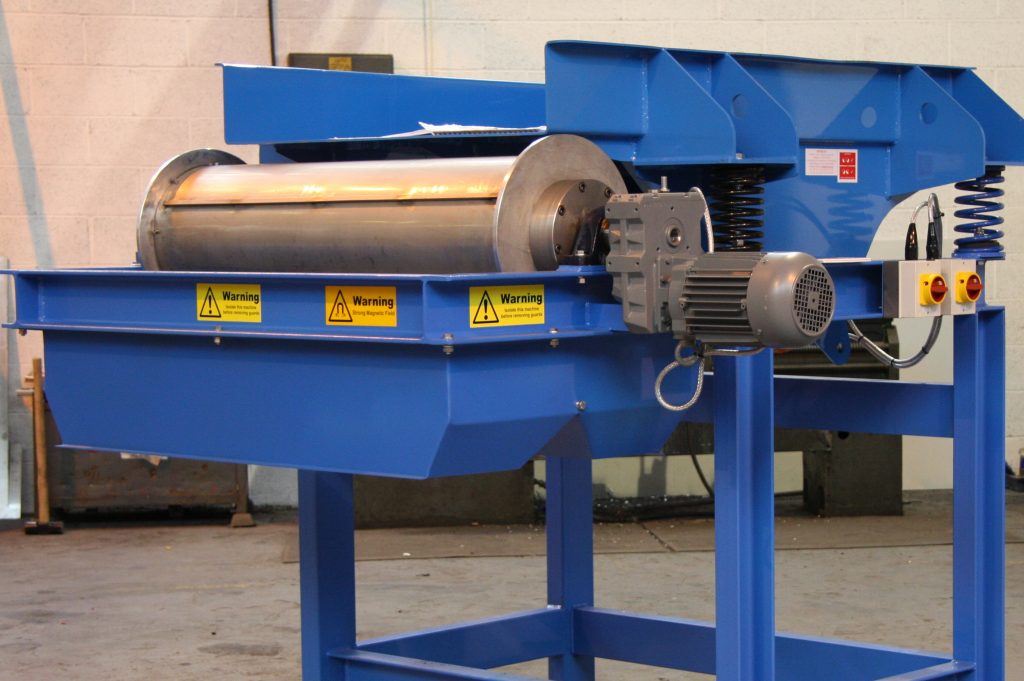
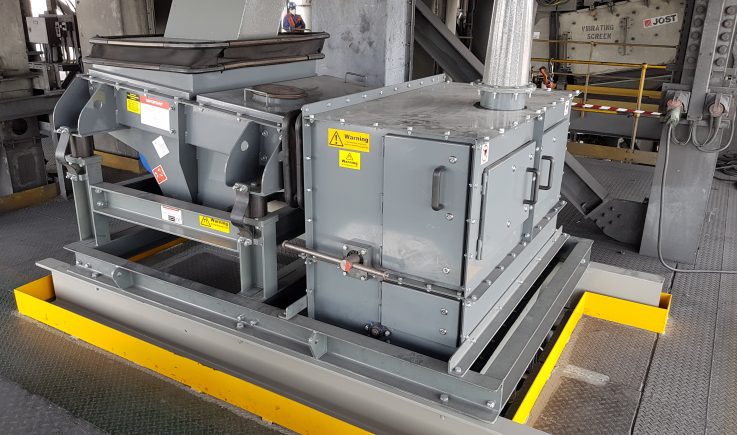
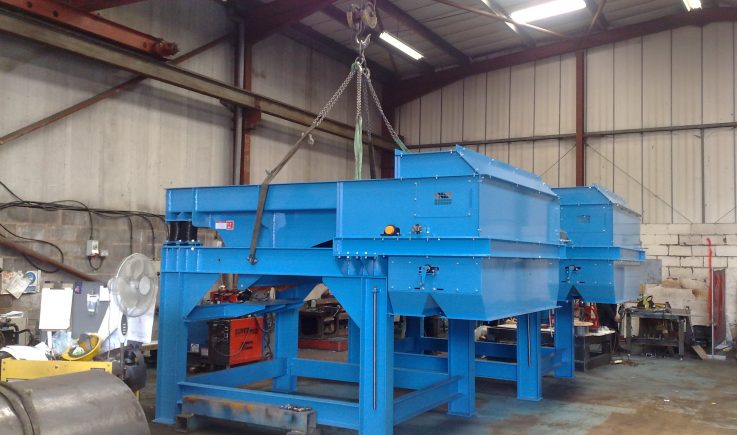
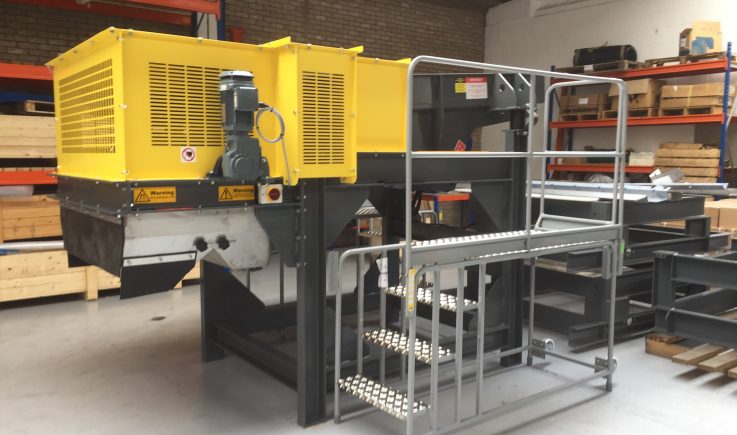
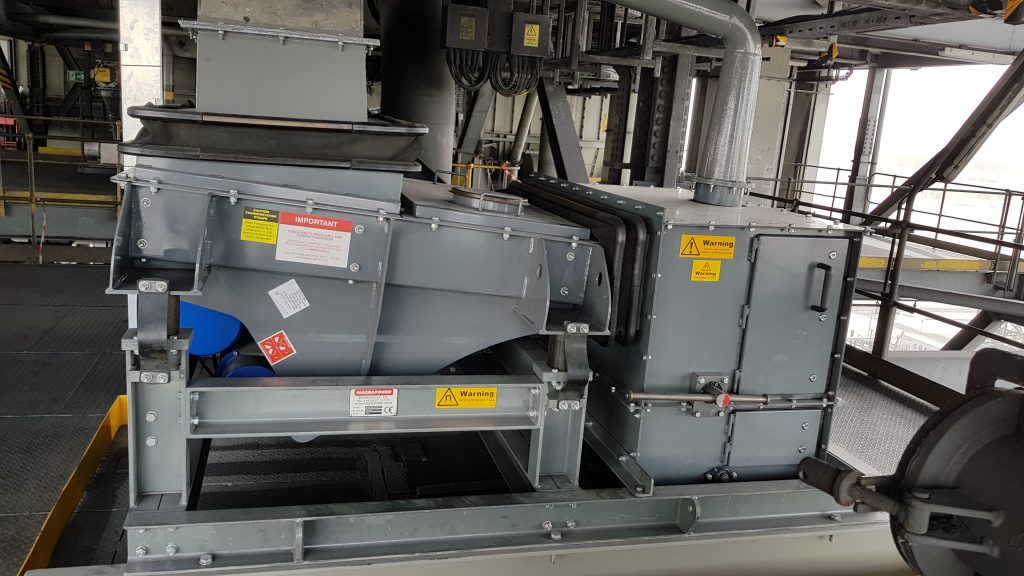
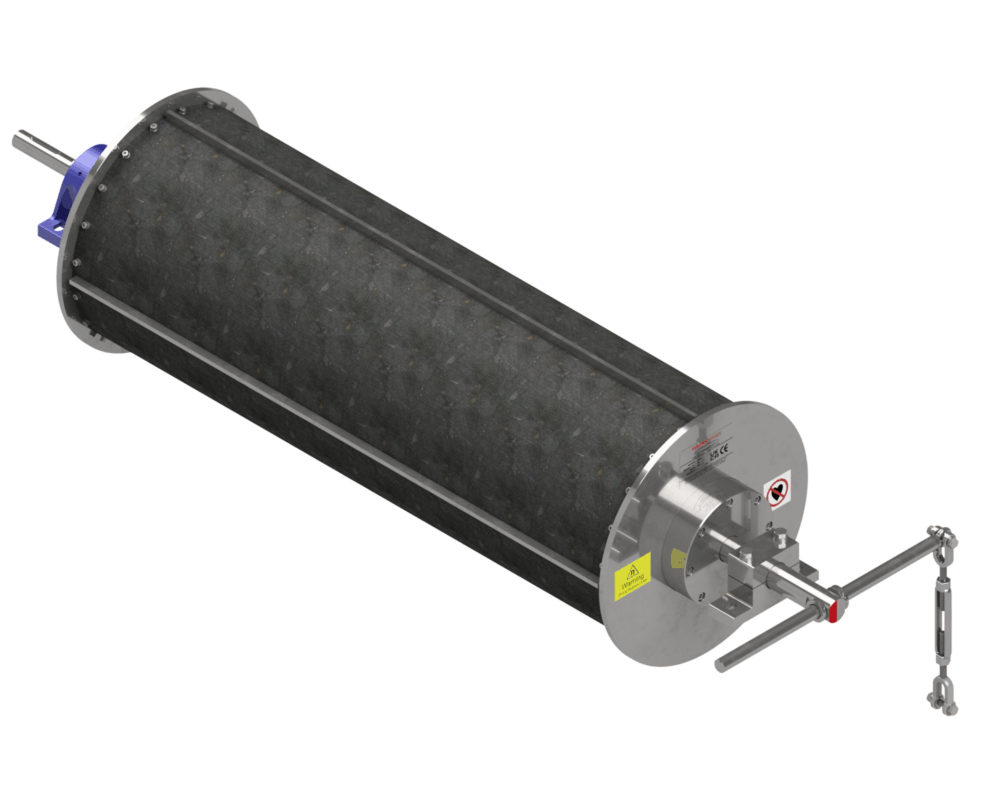
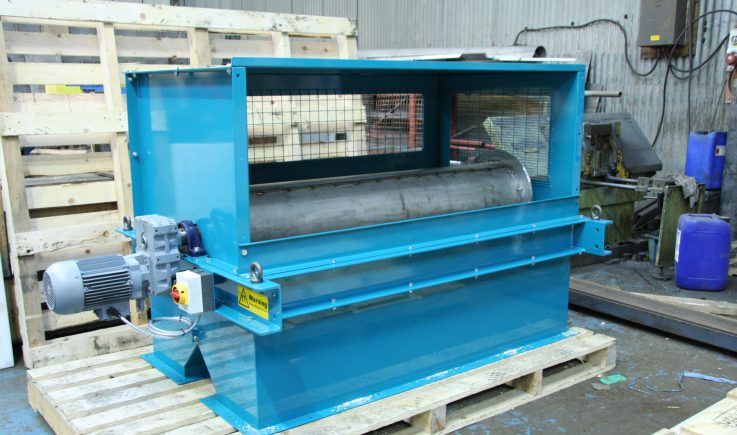
Magnapower Drum Magnets combine robust engineering with innovative magnet technology to deliver continuous, high-efficiency separation of ferrous metals from non-magnetic materials. Built to withstand demanding environments, they deliver industry-leading recovery rates and reliability and can be tailored to suit a wide range of recycling and material handling applications.

GET IN TOUCH

Customised Solutions.

Precision-Engineered in the UK.

Fast Repairs & Parts Turnaround.

Proprietary Magnet Design.

DRUM MAGNETS

How it works

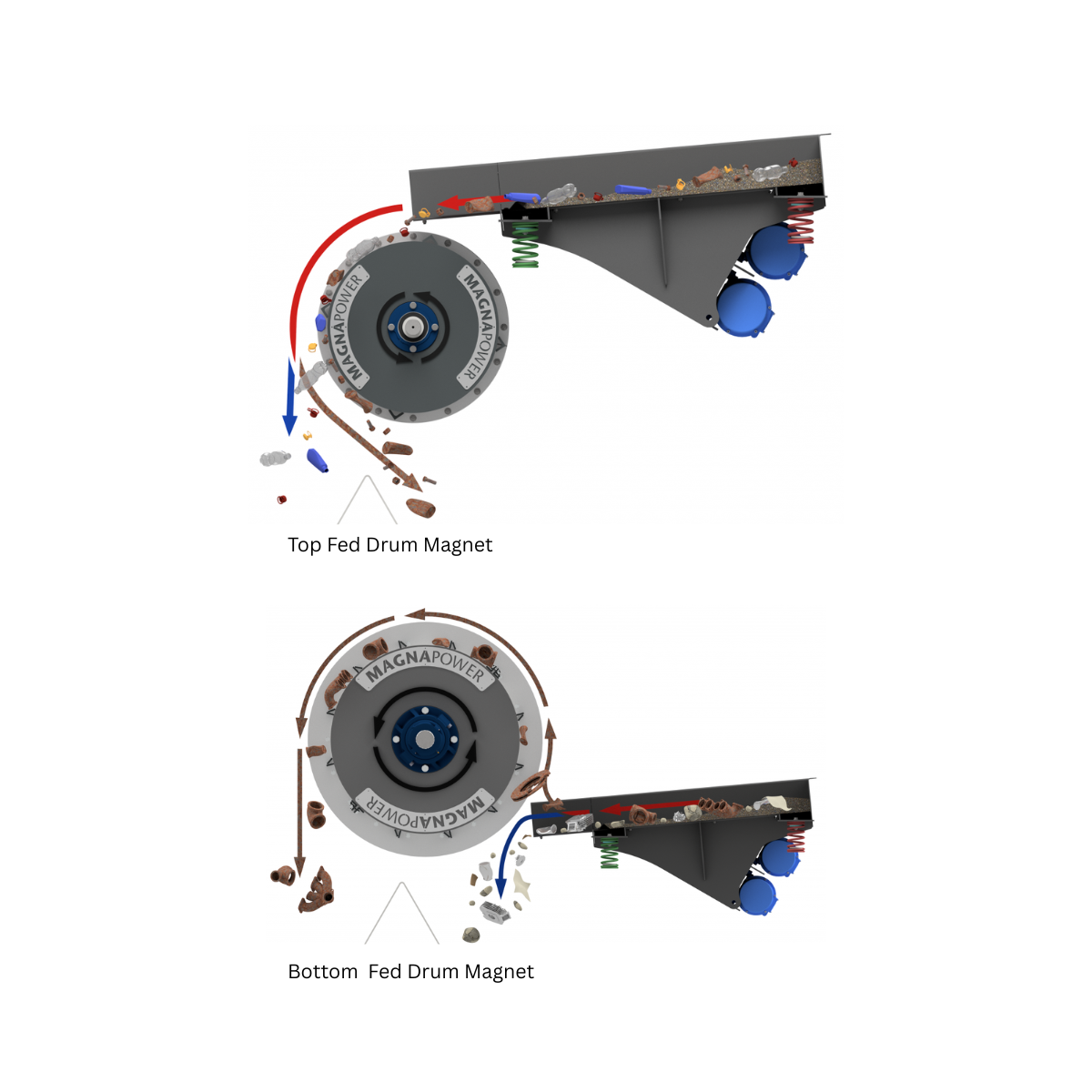
Material is fed onto the rotating surface of the magnetic drum. Ferrous metals are attracted and held by the magnetic field, carried around the drum until they exit outside the magnetic zone. Non-magnetic materials drop away naturally, ensuring clean separation. With top-fed, curtain-fed, and bottom-fed options, our systems adapt to your plant layout and material flow.

ENQUIRE TODAY

DRUM MAGNETS

The advantages:

  • High ferrous recovery with minimal contamination
  • Heavy-duty construction for reduced maintenance
  • Focused magnetic force for efficient separation
  • Deep field permanent magnets replace traditional electromagnets, offering significant cost savings and sustainability benefits
  • Customisable design to match feed width, product size, and throughput requirements

Resources

DRUM MAGNETS

Magnet Systems

We offer a wide range of permanent and electro magnet systems and will discuss which is best for your application.

Permanent Deep Field Ferrite

Standard for most uses, available in single or double pole

Permanent Rare Earth

Ideal for lightweight, high-performance units

Feed Type Material Presentation Separation Mechanism Best Suited For
Top Fed Material is delivered directly onto the top surface of the drum All material travels a short distance around the drum; ferrous is held and carried further before discharge Compact layouts where gravity-fed systems are preferred
Curtain Fed Material falls in a stream (curtain) past the drum’s surface Ferrous is attracted mid-fall and held to the drum; non-ferrous continues to drop away. Applications needing visual inspection or consistent flow across the drum face
Bottom Fed Material is presented to the underside of the drum via feeder or conveyor Ferrous is attracted upward and carried over the drum; non-ferrous drops away below Heavier-duty systems or where material flow is controlled from below


DRUM MAGNETS

Frequently asked questions

Explore our FAQs for clear, helpful insights and the support you need, everything in one place.

LEARN MORE

What is the difference between a drum magnet and an overband magnet?

drum magnet and an overband magnetic separator both remove ferrous metals, but they work in different ways and suit different stages of a recycling process.

  • Overband magnets sit above a conveyor and lift ferrous metal out of the material flow as it passes underneath. They provide continuous removal of steel and tramp metal, making them ideal for primary separation and protecting downstream equipment such as shredders, crushers, and screens.
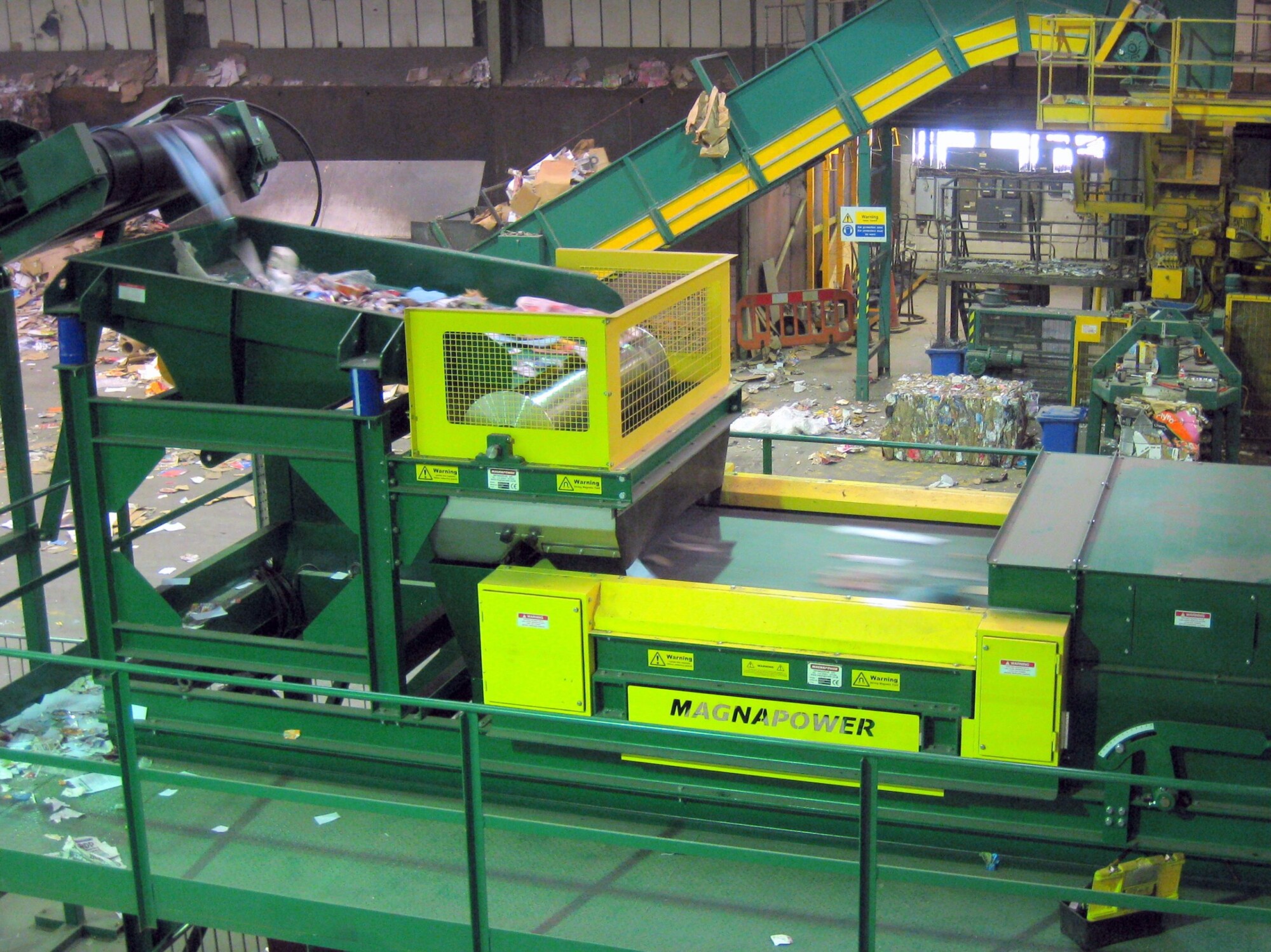
  • Drum magnets are positioned so that material flows directly across the rotating drum surface. They continuously separate ferrous metals from bulk material, making them highly effective for secondary ferrous recovery, especially after shredding, screening, or when a cleaner ferrous product is required.

In short, overband magnets are typically used for early‑stage ferrous removal and equipment protection, while drum magnets are used for high‑efficiency, continuous ferrous recovery later in the process.

What's the difference between top-fed, curtain-fed, and bottom-fed drum magnets?

Drum magnets can be configured in three different feed methods, each suited to a different plant layout and material flow. With top-fed systems, material is delivered directly onto the top surface of the drum, all material travels a short distance around the drum, with ferrous metal held and carried further before discharge. This suits compact layouts where a gravity-fed system is preferred.

Curtain-fed systems present material as a falling stream past the drum’s surface. Ferrous metal is attracted mid-fall and held to the drum, while non-ferrous material continues to drop away — this method works well where visual inspection or a consistent, even flow across the drum face is needed.

Bottom-fed systems present material to the underside of the drum via a feeder or conveyor. Ferrous metal is attracted upward and carried over the drum, while non-ferrous material drops away below.  This is typically used in heavier-duty systems or where material flow needs to be controlled from below.

Magnapower offers all three feed types, allowing the drum magnet to be adapted to your existing plant layout rather than requiring the layout to be built around the machine.
Which drum magnet feed type is best for my application?

The best feed type depends on your plant layout, material flow, and processing requirements rather than a single universal answer.

The right choice depends on your specific site and material characteristics, our engineers will work with you to assess your process and recommend the most effective feed configuration for their application.

Other separators you might be interested in

DRUM MAGNETS

Applications

Please click on the links to show details of some of the applications where drum magnets are used:

Get in Touch

With offices around the world, we’re here to help wherever you are.

+44 (0)1527 557092

info@magnapower.com